Everything you need to know about equipping yourself for an unforgettable trail experience
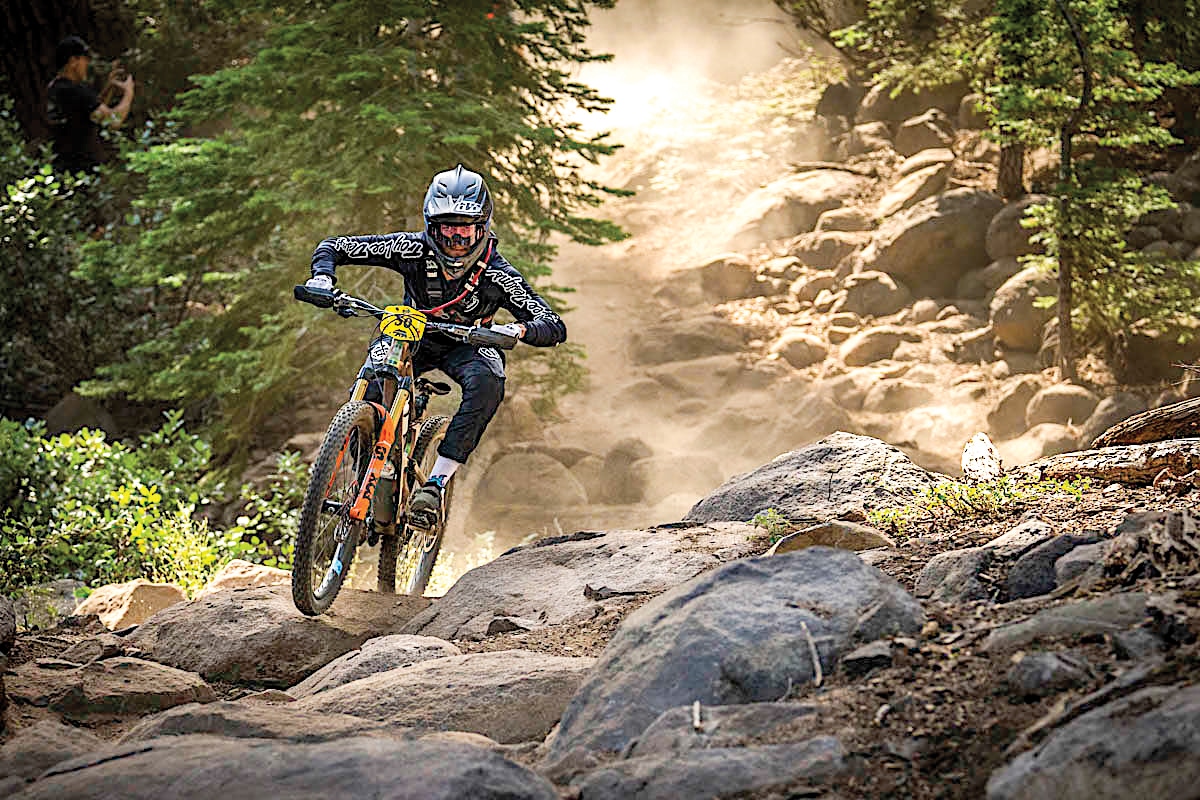
Are you ready to hit the trails but unsure if you have everything you need? Whether you just purchased your first mountain bike or you are a seasoned rider who occasionally forgets the basics, having the right equipment is crucial for a successful ride.
Mountain biking is inherently rugged and unpredictable, making proper preparation non-negotiable. Arriving at a trail center only to realize you left vital equipment at home can ruin your day. Every minute spent searching for gear is a minute lost on the trails.
Investing in high-quality equipment not only enhances your riding experience but also ensures your safety and comfort in the great outdoors.
If you only invest in two items before riding, they must be a high-quality helmet and proper footwear. These are the absolute minimum requirements for any off-road cycling.
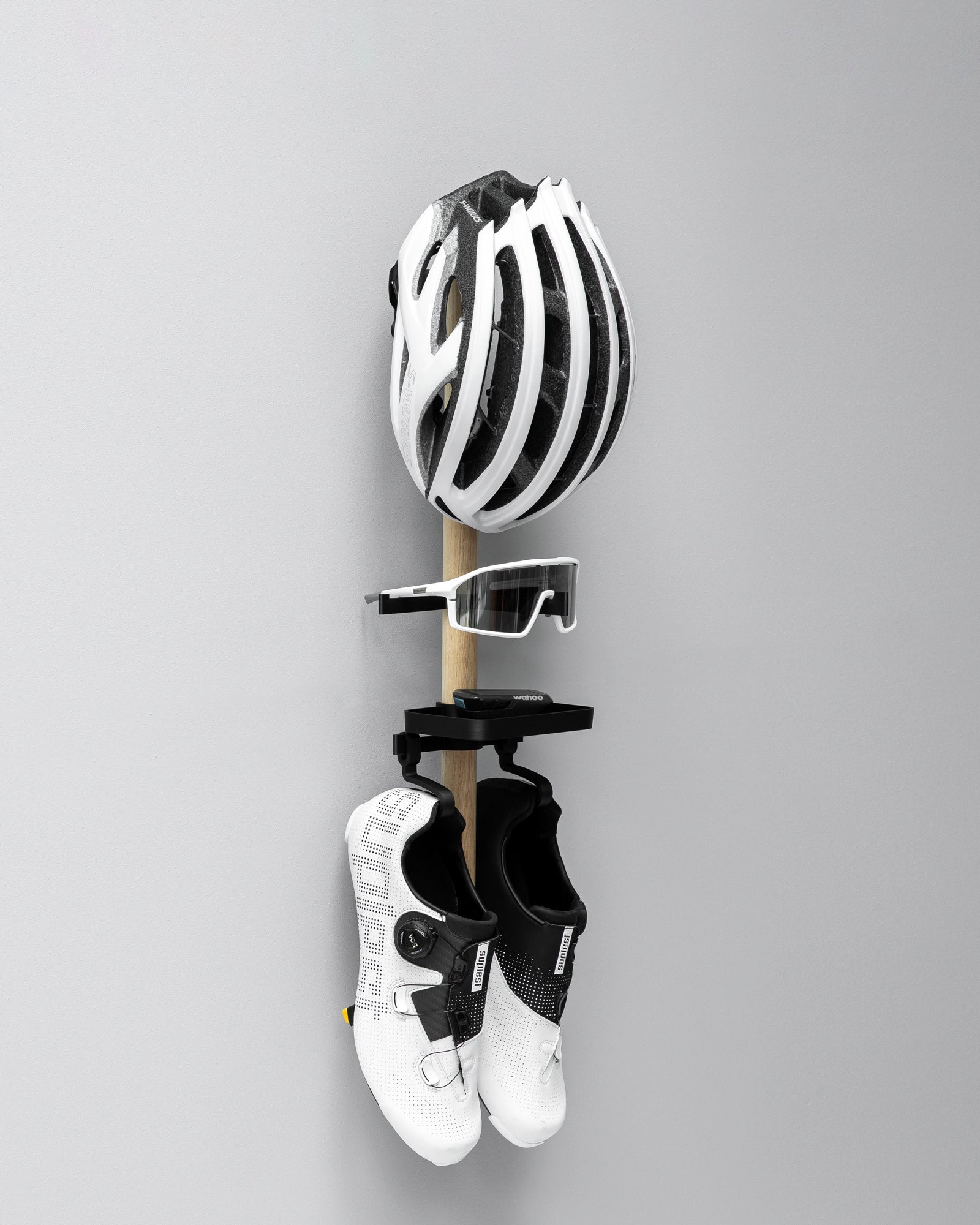
Mountain bike helmets generally fall into two categories: half-shell and full-face. Half-shell helmets resemble traditional cycling helmets but typically feature a visor to shield your eyes from rain and sun. These are perfect for beginners or those riding moderate trails.
Conversely, full-face helmets offer comprehensive protection similar to motocross gear, covering the jaw and chin. These are essential for aggressive downhill riding or tackling steep, technical terrain where the risk of a severe crash is elevated.
Regardless of whether you prefer clipless systems or flat pedals, dedicated mountain bike shoes are indispensable. They provide superior grip, durability, and stiffness for efficient power transfer.
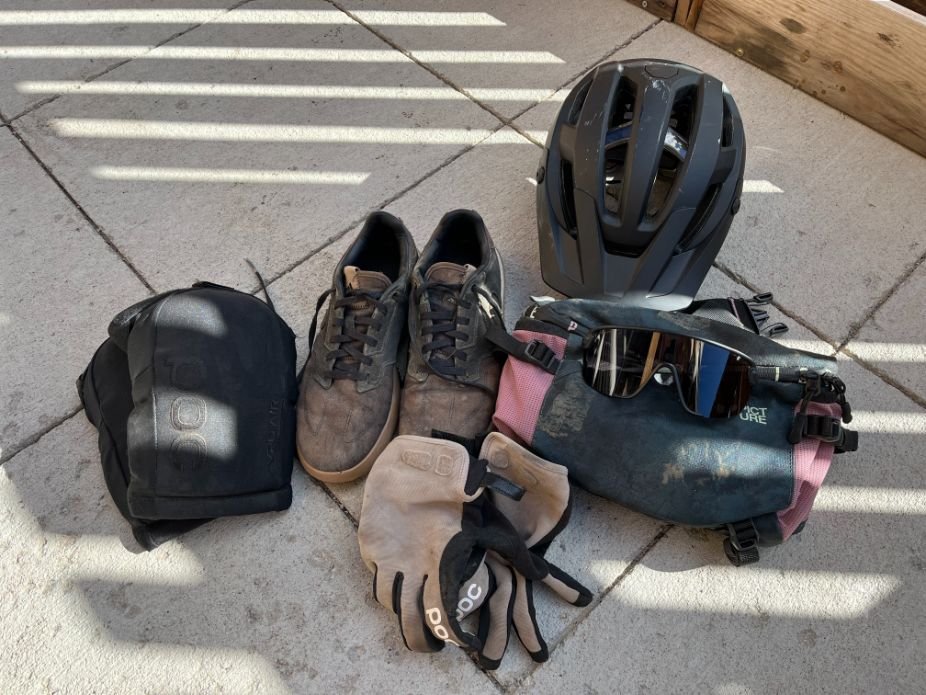
Cross-country riders usually opt for stiff, clipless shoes to maximize pedaling efficiency. Meanwhile, trail, enduro, and downhill enthusiasts often choose between flat pedal shoes with sticky rubber soles or more flexible clipless options, depending on the terrain.
Brands like Five Ten and Crankbrothers offer excellent options that balance comfort with performance. Your choice of footwear can make a significant difference in your control and confidence on technical terrain.
While you might survive a ride without these items, incorporating them into your setup will significantly improve your comfort and overall experience.
Staying hydrated is critical, but how you carry your water depends on your bike and personal preference. Full-suspension bikes often have limited frame space, making hydration backpacks or hip packs ideal. Backpacks are excellent for longer rides, allowing you to carry extra layers, tools, and a large water bladder.
Hardtail bikes typically accommodate two water bottles within the frame. However, hip packs (fanny packs) have surged in popularity among riders who want to carry essentials like a spare tube, CO2 inflator, and snacks without the bulk of a full backpack.
Always carry more water than you think you will need, especially on hot days. Check the map for potential refill opportunities along your route.MTB Safety Guidelines
Off-road riding exposes your eyes to dust, mud, branches, and flying gravel. High-quality riding glasses or goggles are essential for vision protection.
When selecting eyewear, consider the lighting conditions of your typical trails:
If you wear a full-face helmet, goggles are the standard choice for seamless integration and maximum protection.
Your hands are a critical contact point with the bike. A solid pair of mountain bike gloves enhances your grip on the handlebars, prevents blisters, and offers protection during a crash. Full-finger gloves are generally preferred as they provide the best balance of grip, warmth, and protection.
Ensure the gloves fit snugly without restricting your ability to operate the brakes and shifters. Test your dexterity before committing to a purchase.
Mountain biking comes with its fair share of scrapes and bruises. Carrying a compact first-aid kit ensures you can handle minor injuries on the trail.
A basic kit should include:
Various sizes of sterile bandages and medical tape for securing dressings
Sterile wipes, gauze pads, and antiseptic solution for wound care
Ibuprofen and paracetamol for minor aches and discomfort
Safety pins, tweezers, and small scissors for emergency situations
Mechanical issues and flat tires are inevitable. Carrying a basic repair kit ensures you can fix minor problems and avoid a long walk back to the trailhead.
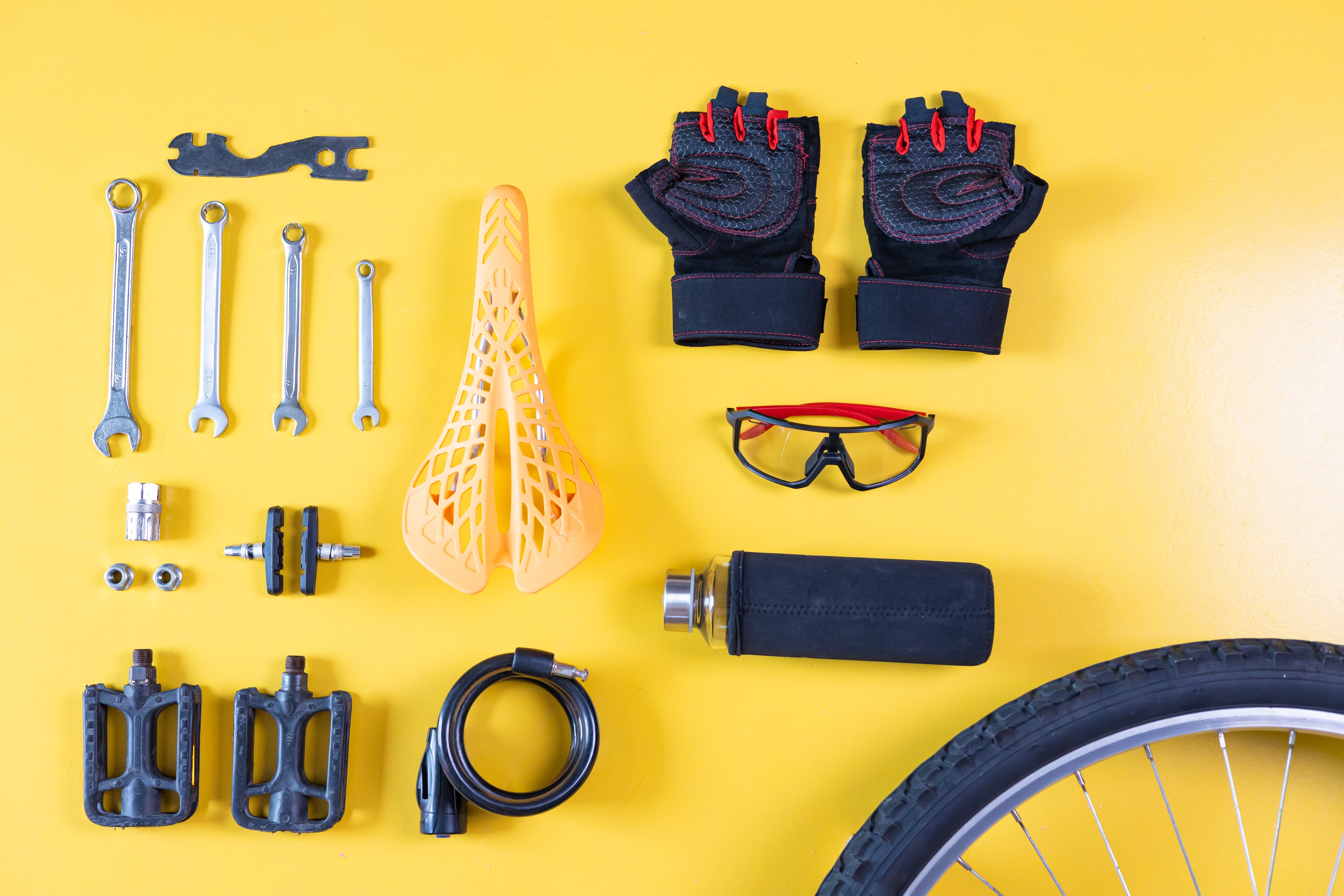
At a minimum, your repair kit should include the following items to handle common trail emergencies:
What you wear significantly impacts your comfort and endurance on the bike. Purpose-built mountain bike clothing is designed to withstand the rigors of the trail while keeping you cool and dry.
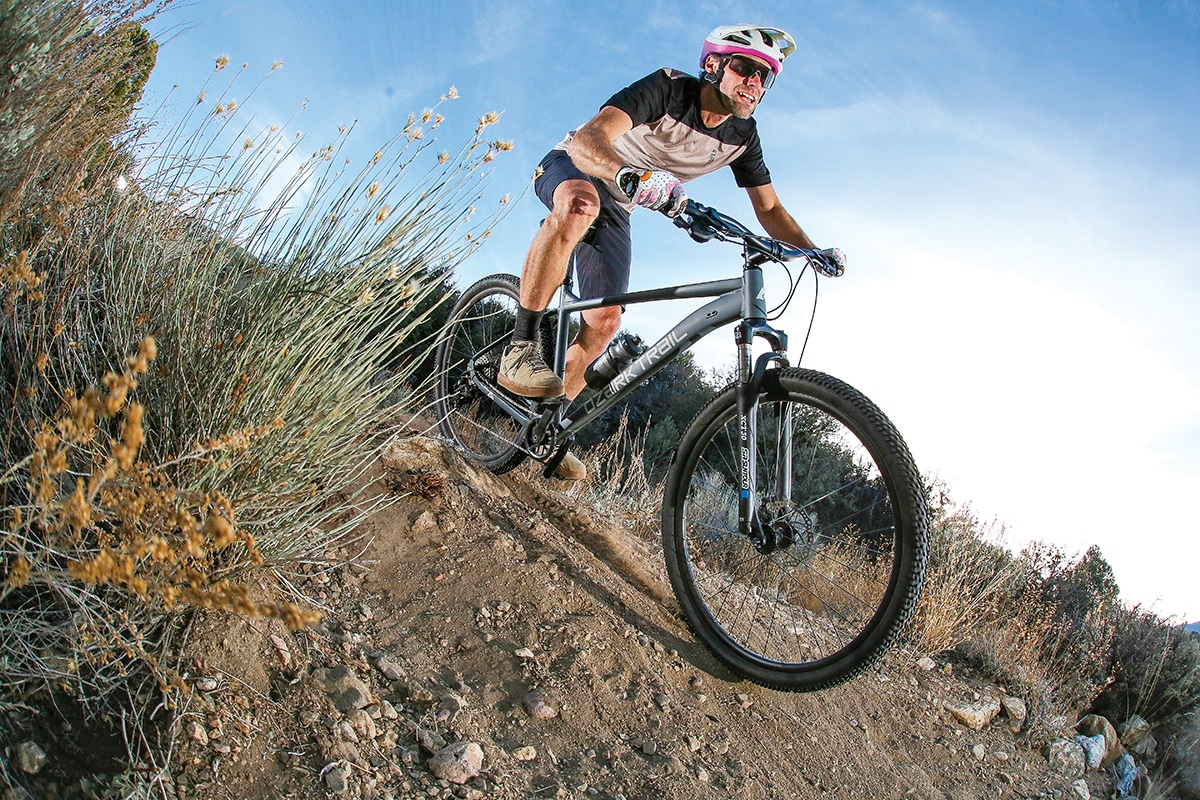
Cross-country riders often favor form-fitting lycra jerseys for aerodynamic efficiency and moisture management. However, trail and enduro riders typically prefer looser, more durable technical t-shirts.
These garments are crafted from synthetic blends that wick sweat away from the body and dry quickly. If you wear body armor, ensure your jersey is sized appropriately to accommodate the extra bulk.
Similar to tops, cross-country racers lean towards lycra bib shorts with integrated chamois pads for maximum comfort during long pedaling efforts.
For more aggressive riding, durable, baggy shorts or riding pants are recommended. These garments are constructed from tough, abrasion-resistant materials designed to withstand encounters with branches and rocks while providing enough room for knee pads.
Mountain biking conditions can change rapidly. Investing in quality base layers, mid-layers, and weather-resistant jackets ensures you stay comfortable throughout your ride.
Consider these layering options:

 BestProtectiveGear.com